



Understanding Malaysia’s Economic Landscape
What shapes the nation’s macroeconomic environment
Malaysia’s economy operates within a complex framework of regional integration, commodity dependence, and technological advancement. The country’s position in Southeast Asia makes it sensitive to global trade dynamics, while domestic factors like consumer spending and business investment drive local growth.
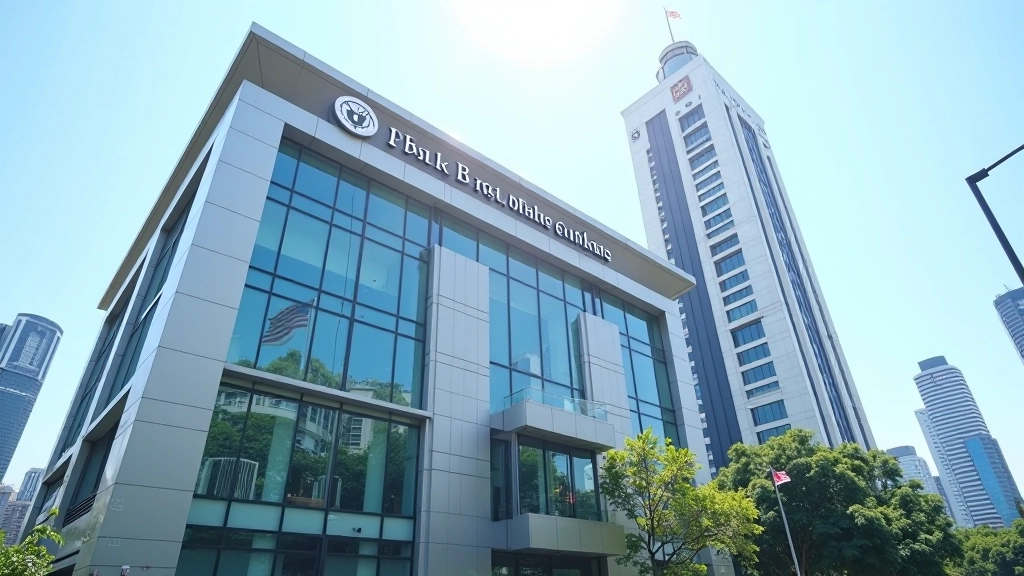
Bank Negara Malaysia, the nation’s central bank, plays a crucial role in managing economic stability through monetary policy decisions. These decisions directly influence interest rates, credit availability, and inflation expectations across the economy. The central bank’s independence allows it to focus on long-term economic health rather than short-term political pressures.
Understanding these macroeconomic indicators—GDP growth, inflation rates, employment figures, and monetary policy decisions—provides insight into Malaysia’s economic health and future trajectory. For policymakers, investors, and citizens alike, tracking these metrics helps inform decisions about resource allocation, investment strategies, and economic planning.
The relationship between these indicators isn’t always straightforward. Rising GDP growth might occur alongside inflation pressures, requiring careful policy balancing. Employment growth may lag behind economic expansion during periods of automation and structural change. By examining these elements together, we get a clearer picture of Malaysia’s economic reality.